Today’s Top News for African Women
African women’s news continues to make headlines this September 8, 2026.
In Nigeria, hundreds of women-led businesses are about to meet with investors. In Kenya, nurses and midwives continue their strike. In South Africa, women’s economic leadership is at the center of debate.
Menstrual health also remains an urgent issue in Nigeria, and in Ghana, another concern is gaining momentum: women’s role in climate change decision-making.
Here are the five stories to know today.
Nigeria: Over 300 Women-Led Businesses Targeted by a New Funding Program
In Lagos, Alitheia Capital is preparing the W.O.M.A.N. 2026 program, with the gathering set to take place on September 10 and 11.
More than 300 women-led businesses are expected to take part in the program. They operate mainly in manufacturing, agribusiness, and nutrition.
The goal is simple: make it easier for them to access funding and markets.
Entrepreneurs will get the chance to meet investors, lenders, and experts. At the same time, they’ll be able to grow their professional networks.
Why it matters
Starting a business isn’t always enough. You also need to be able to grow it.
While a lack of capital still holds back many African women entrepreneurs, a lack of networks can slow their growth just as much.
The W.O.M.A.N. 2026 program aims to tackle several of these barriers at once.
Kenya: Nurses’ Strike Raises Growing Concern
In Kenya, the strike by nurses and midwives continues.
The movement is disrupting public health services, especially maternal and neonatal care, among the most exposed services.
According to data relayed by the Kenya National Commission on Human Rights, professional organizations have reported several deaths during the strike period.
They specifically cited 8 maternal deaths, 16 neonatal deaths, and 55 perinatal deaths between August 31 and September 2.
These figures come from professional organizations. They don’t necessarily represent a complete official count. Still, the situation remains concerning.
Nurses and midwives play an essential role in maternity wards. Their absence can delay urgent care.
Source: peopledaily.digital
South Africa: Women’s Leadership Enters a New Phase
In Johannesburg, African women leaders are at the heart of the Standard Bank Top Women Conference 2026.
The event takes place on September 8 and 9 at the Sandton Convention Centre. This year’s theme centers on growth driven by women. Discussions cover funding, technology, innovation, entrepreneurship, and leadership.
But the conversation is shifting. It’s no longer just about calling for more women in leadership positions. It’s also about giving them real decision-making power and influence.
A woman can hold an important title without holding real decision-making power. The next challenge, then, is turning representation into economic influence.
Source: pressportal.co.za
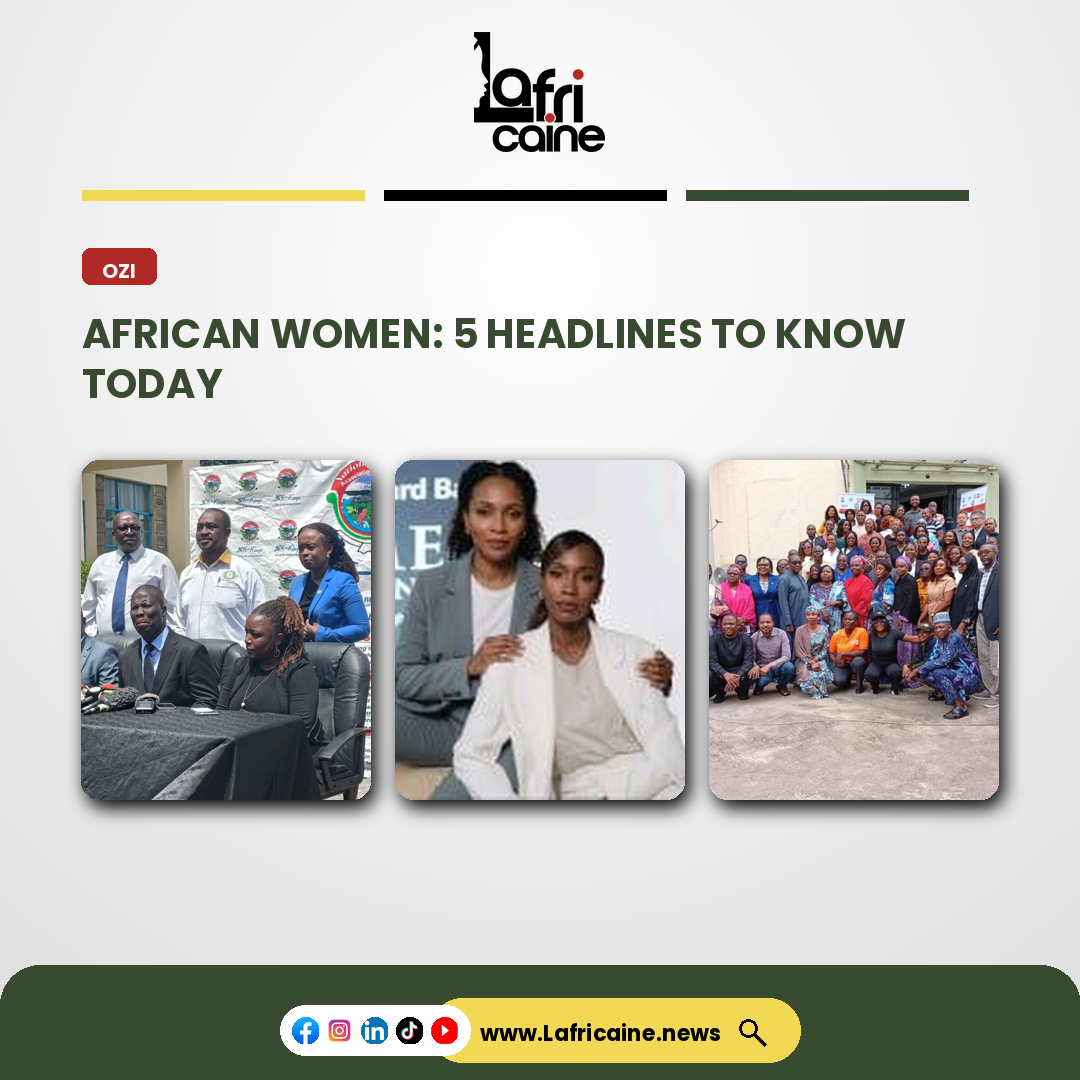
Nigeria: Menstrual Poverty Remains an Urgent Issue
In Nigeria, menstrual health remains a pressing concern. A forum held in Lagos brought together public officials, manufacturers, and development organizations to discuss it.
All of them are calling for more affordable and accessible menstrual products.
According to figures presented at the gathering, around 37 million women and girls are affected by menstrual poverty in the country.
The lack of products and adequate facilities also affects schoolgirls.
Per the same data, 24% of schoolgirls regularly miss class because of it.
The problem, then, goes beyond health. It also touches education, dignity, and equal opportunity.
Ghana: Women Called to Take a Bigger Role in Climate Decisions
In Ghana, women’s participation in climate policy is now part of the national conversation.
A national workshop held in Accra on September 7 called for giving women a bigger role in planning and financing climate adaptation policies.
Stakeholders in the sector believe climate decisions need to better reflect the realities faced by local communities.
They also want women to be able to benefit from the economic opportunities tied to climate adaptation.
This matters greatly for Africa. Climate change directly affects agriculture, incomes, and food security for many communities.
Giving women more power in these decisions can also strengthen the resilience of entire regions.
What These Stories Tell Us
These five stories come from different countries. Yet they tell a common story.
African women need resources, and the power to act on them.
Entrepreneurs need funding. Health workers need dignified working conditions. Young girls need normal access to menstrual products. Women leaders need real decision-making power. And they, too, have a stake in the response to climate change.
Equality, then, isn’t just about visibility.
It also depends on access to capital, healthcare, education, and positions of responsibility.
Key Takeaways for September 8
In Nigeria, a program aims to help over 300 women-led businesses secure funding and new markets.
In Kenya, the nurses’ strike continues to strain the health system.
In South Africa, women’s leadership is moving closer to questions of growth and influence.
In Nigeria as well, menstrual poverty remains an obstacle for many women and girls.
In Ghana, stakeholders are calling for stronger women’s participation in climate decisions.
The news makes one thing clear: African women are already at the heart of the economy and society. The next challenge is giving them the means to act on it.
Follow the Story on Lafricaine.news
These stories will keep developing in the coming days, particularly the nurses’ strike in Kenya and the results of the W.O.M.A.N. 2026 program in Nigeria.
To read further, discover the journey of Noélie Yarigo, World Masters 800m champion, our feature on the International Day of the African Woman, and the Lafricaine.news Women’s Dictionary.
Pélagie BLEWUSSI