African Women’s News: 5 Headlines of October 20, 2026
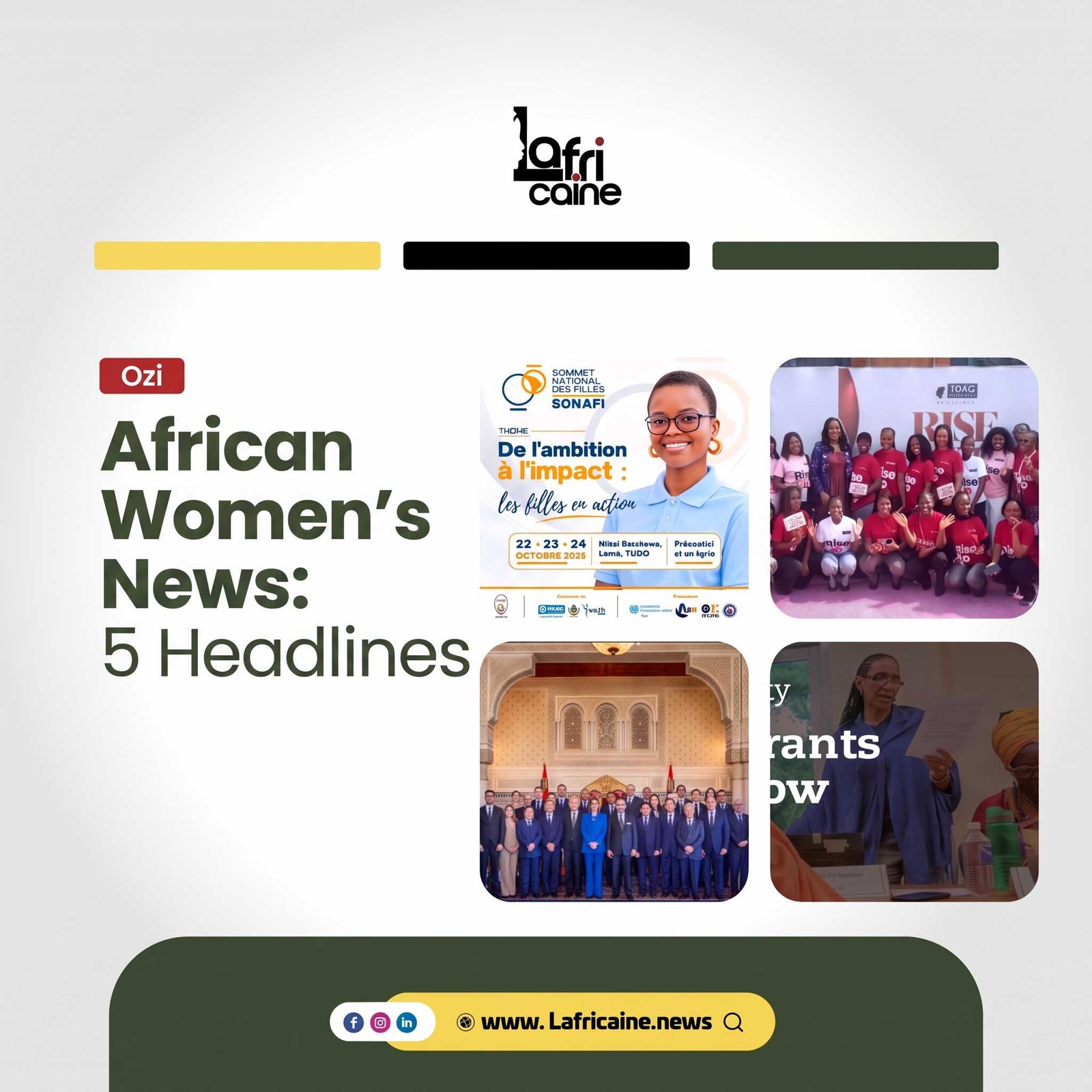
African women’s news on October 20, 2026 brings a political first and a summit for girls. It also features a march against violence. Finally, a call for proposals is open to organizations. From Morocco to Togo, by way of South Africa and Nigeria, here are five facts to remember.
The Five Facts of the Day
- Morocco: a woman leads the government for the first time.
- Togo: the National Girls’ Summit (SONAFI) opens in Lomé on October 22.
- South Africa: a march in Durban demands better protection.
- Nigeria: the Rise Up conference encourages young girls to start businesses.
- Opportunity: the Commonwealth Foundation funds organizations up to £30,000 a year.
African Women’s News from Morocco: A Prime Minister, Few Women Ministers
On October 16, Morocco installed its new government. Fatima Zahra El Mansouri leads it. As a result, she becomes the first woman to hold that office in the country.
First, the new team has 32 members, including seven women, the Prime Minister among them. Yet according to Le Monde, only one woman now heads a full ministry, compared with five before.
This appointment is therefore a historic step forward. However, women’s presence in ministerial posts remains limited. Above all, it must translate into real decision-making power.
African Women’s News from Togo: Lomé Hosts the SONAFI
From October 22 to 24, Lomé hosts the first National Girls’ Summit. It takes place at the Sarakawa Hotel, in person and online. Its theme: « From Ambition to Impact: Girls in Action. »
In addition, the summit is led by Plan International Togo and Youth Panel Lomé, with the support of the authorities. According to Öri Infos, about 400 participants are expected.
Next, the discussions will cover leadership, education, health, digital skills and entrepreneurship. Moreover, workshops and mentoring will showcase the projects of young girls.
The principle is simple: topics that affect girls are discussed with them. Thus, the summit aims to bring young people closer to decision-makers. However, its impact will be measured by how the recommendations are followed up.
African Women in South Africa: Durban Marches for Protection
First, on October 17, hundreds of people marched in Durban against gender-based violence and femicide. Then members of Zulu regiments and young girls joined the mobilization, reports SABC News.
Thus, the participants are demanding more protection for women and children. Indeed, sexual and domestic violence remain a major problem in the country. To understand this word, read our FHEM entry on femicide, its definition and warning signs.
A march therefore keeps the pressure on the authorities. But it is not enough. Prevention, victim support and enforcement of the law must follow.
Nigeria: Rise Up Pushes Girls to Start Businesses
On October 17, the Rise Up 2026 conference took place in Abuja. Its theme: « The Soft Power Woman. » The Healthy African Girl Foundation organized it for young women aged 16 to 35, according to Vanguard.
First, the speakers encouraged girls to build practical skills and to shape their business ideas. They also named social media and artificial intelligence as levers. The Nation, picked up by News Minimalist, reports the same message.
Moreover, several voices called on communities to support out-of-school girls. Admittedly, mentoring opens doors. However, it must come with better access to funding.
Opportunity: Up to £30,000 a Year for Your Organization
To finish, the Commonwealth Foundation has opened its 2026-2027 call for proposals. Thus, civil society organizations can apply. The themes are economic inclusion, climate and environmental justice, and freedom of expression.
- Deadline: October 26, 2026, at 12:00 GMT.
- Amount: £15,000 to £30,000 a year. For a collective action, expect £15,000 to £20,000.
- Eligibility: a registered non-profit organization, active for at least three years, in an eligible country. Ghana, Kenya, Rwanda, Uganda and South Africa are on the list.
- Gender: the project must integrate gender and intersectionality. Selected projects start between August and September 2027.
Note: this grant is for organizations, not for individuals. So check eligibility in the guide. Criteria and applications are on the Open Grants Call page.
African Women’s News: Progress to Turn Into Results
These five stories show that women’s leadership is moving forward. Yet obstacles remain. Indeed, political representation, safety, education and economic independence all call for lasting commitments.
Finally, these mobilizations are part of a long history. To explore it further, read our article on International African Women’s Day and its legacy.
Pélagie BLEWUSSI